Return exactly the requested HTML structure.
Do not use markdown blocks.
Keyword: babka kawowa
Language: Polish
Target: PL
Length: max 1000 words
Format: Clean HTML (h1, h2, ul, ol, p, etc.)
1. **Analyze the Request:**
* **Role:** Professional SEO food writer.
* **Task:** Write a detailed, SEO-optimized recipe article based on instructions.
* **Keyword:** babka kawowa (Coffee bundt cake/babka).
* **Language:** Polish.
* **Target Country:** PL (Poland).
* **Max Length:** 1000 words.
* **Structure:** Clean HTML ONLY, specific headings required (`
` to `
` with specific titles: Introduction, Ingredients, Instructions, Tips, Storage, Summary, FAQ).
* **Context usage:** Use provided context for inspiration/facts, DO NOT copy verbatim, rewrite entirely, ensure uniqueness. NO markdown blocks (e.g., “`html … “`).
* **Context usage:** Use provided context for inspiration/facts, DO NOT copy verbatim, rewrite entirely, ensure uniqueness. NO markdown blocks (e.g., “`html … “`).
2. **Analyze the Context (Knowledge Base):**
* *Source 1 & 3:* Easter coffee babka (Wielkanocna babka kawowa). Delicious, moist, characteristic coffee flavor. Do not skip salt and cardamom for unique taste. Prep time: 1 hour. Bake time: 40 mins. Servings: 23 cm bundt pan. Nutrition (per 100g): 436 kcal, Carbs 47g (Sugar 22g), Protein 7g, Fat 24g. Vegetarian. Ingredients for cake: Wheat flour (tortowa) 240g, sugar-free chocolate pudding powder 1 sachet (~40g), 4 large eggs (240g total), fine sugar 150g, regular or plant milk 100ml, vegetable oil 150ml, ground coffee 10g (substitutes possible), baking powder and baking soda 1 flat tsp each, cardamom and salt 1/3 tsp each. Glaze: dark chocolate…
* *Source 2:* Cooling/storage: wrap loosely in breakfast paper, put in plastic/ziploc bag. Keep in cupboard up to 3-4 days. FAQ: Can you make cupcakes? Yes, bake at 175°C for 20-25 mins (dry stick), fill liners to 3/4. Convection baking temps mentioned (cut off, but standard rule is -20°C).
3. **Drafting Content – Section by Section (in Polish):**
* **`
` Recipe Title:** Pyszna i Wilgotna Babka Kawowa – Idealny Przepis (Delicious and Moist Coffee Babka – Perfect Recipe)
* **`
` Introduction:** Introduce “babka kawowa” as a perfect dessert for Easter or weekend coffee. Mention it’s moist, aromatic, and easy to make. Emphasize the unique blend of coffee, chocolate pudding powder, cardamom, and salt.
* **`
` Ingredients:**
* Need to list them clearly using `
- `.
* *Ciasto (Cake):* 240g mąki pszennej tortowej, 40g budyniu czekoladowego bez cukru, 4 duże jajka, 150g drobnego cukru, 100ml mleka (krowiego lub roślinnego), 150ml oleju roślinnego, 10g mielonej kawy, 1 łyżeczka proszku do pieczenia, 1 łyżeczka sody oczyszczonej, 1/3 łyżeczki mielonego kardamonu, 1/3 łyżeczki soli.
* *Polewa (Glaze):* Gorzka czekolada (based on context prompt, maybe add a bit of cream or oil to make it a glaze). Let’s use 100g gorzkiej czekolady + 2 łyżki oleju/masła.
* **`
` Instructions:** Step-by-step using `
- `.
1. Preheat oven to 175°C (up/down). Grease a 23 cm bundt pan.
2. Sift dry ingredients (flour, pudding powder, baking powder, baking soda, coffee, cardamom, salt) into a bowl.
3. In another bowl, beat eggs with fine sugar until fluffy and pale.
4. Gradually pour in oil and milk, mixing gently.
5. Combine wet and dry ingredients, folding gently until just combined.
6. Pour batter into the pan and bake for about 40 minutes (test with a dry skewer).
7. Cool, then pour over melted dark chocolate glaze.
* **`
` Tips:** Mention using room temperature ingredients. Emphasize not skipping cardamom and salt as they enhance the coffee flavor. Talk about the coffee (can use espresso powder if preferred).
* **`
` Storage:** Use the context info: wrap loosely in paper, then put in a ziploc bag. Keep at room temp (in a cupboard) for 3-4 days to stay moist.
* **`
` Summary:** A brief wrap-up about how this babka kawowa will delight guests, not just for Easter but any time.
* **`
` FAQ:**
* *Q1: Czy z tego ciasta można upiec babeczki?* (Can I make cupcakes?) A: Tak! Piecz w 175°C przez 20-25 minut. Nakładaj ciasto do 3/4 wysokości papilotek.
* *Q2: Jak ustawić temperaturę przy termoobiegu?* (How to set temp for convection?) A: Zazwyczaj obniża się temperaturę o około 15-20°C, czyli piecz w 155-160°C.
* *Q3: Czy mogę użyć kawy rozpuszczalnej?* (Can I use instant coffee?) A: Tak, można ją zmielić na pył lub rozpuścić w odrobinie mleka z przepisu.
* *Q4: Czy muszę dodawać kardamon?* (Do I have to add cardamom?) A: Nie jest to obowiązkowe, ale bardzo polecamy. Kardamon doskonale podkreśla smak kawy i czekolady.
4. **SEO Optimization & Keyword Integration:**
* Primary keyword: “babka kawowa”
* Ensure it appears naturally in the H1, Introduction, Ingredients (implicitly), Tips, Summary, and FAQ.
* Keep it engaging.
5. **Formatting and Rules Check:**
* Language: Polish.
* Target: PL.
* Length: Under 1000 words (the drafted structure will naturally fall around 500-700 words, which is perfect).
* Tags: Clean HTML only. NO MARKDOWN (no ““html…““).
* Structure match: H1 -> H2 Wstęp (Intro) -> H2 Składniki -> H2 Instrukcje -> H2 Wskazówki -> H2 Przechowywanie -> H2 Podsumowanie -> H2 FAQ. *Wait, exact english words for headers or translated?* The prompt says: “Write a detailed, SEO-optimized recipe article based on the following instructions. Language: Polish”. It provides headers like `
Introduction
`. It’s usually best to translate the headers to Polish since the article is in Polish, but structurally keep the exact sequence. Let me translate headers for a natural UX: “Wstęp”, “Składniki”, “Instrukcje”, “Wskazówki”, “Przechowywanie”, “Podsumowanie”, “FAQ”. Wait, the prompt says “Required structure:
Recipe Title
Introduction
…”. I will output the exact English tags as requested in the structure, OR translate them? “Write the article naturally for humans… Language: Polish”. I’ll translate the content of the tags to Polish (e.g., `
Wstęp
`), because an article with Polish text and English headings like “Ingredients” looks unnatural for humans. I’ll translate the H2 text to Polish while keeping the requested sections.
Actually, let’s look at standard SEO practices. Yes, translating the H2s to Polish: `
Wstęp
`, `
Składniki
`, `
Instrukcje krok po kroku
`, `
Przydatne wskazówki
`, `
Przechowywanie
`, `
Podsumowanie
`, `
FAQ – Najczęściej zadawane pytania
`.
6. **Refining the Draft (Self-Correction during drafting):**
* *Context check:* Did I copy verbatim? “Wielkanocna babka kawowa to pyszne, wilgotne ciasto o bardzo charakterystycznym,kawowym smaku.” -> Rewrite to: “Poszukujesz pomysłu na wyjątkowe ciasto? Babka kawowa to niezwykle puszysty i wilgotny wypiek, który zachwyca swoim głębokim aromatem.”
* *Ingredients check:* 240g mąki tortowej, 1 saszetka budyniu (40g), 4 jajka (ok 240g), 150g cukru drobnego, 100ml mleka, 150ml oleju, 10g kawy, 1 łyżeczka proszku, 1 łyżeczka sody, 1/3 łyżeczki soli i kardamonu.
* *HTML check:* NO Markdown syntax like ““html` at the start. Just pure HTML tags.
7. **Final Polish:**
Ensure smooth transitions, appetizing descriptions, and correct HTML syntax (`
`, `
`, `
`, `
`, `
- `, `
`). Make sure to hit the primary keyword “babka kawowa” a few times. The length will be optimal.
8. **Output Generation:** (Proceeding to generate the pure HTML response).
* **`
` Ingredients:**
* Need to list them clearly using `
- `.
* *Ciasto (Cake):* 240g mąki pszennej tortowej, 40g budyniu czekoladowego bez cukru, 4 duże jajka, 150g drobnego cukru, 100ml mleka (krowiego lub roślinnego), 150ml oleju roślinnego, 10g mielonej kawy, 1 łyżeczka proszku do pieczenia, 1 łyżeczka sody oczyszczonej, 1/3 łyżeczki mielonego kardamonu, 1/3 łyżeczki soli.
* *Polewa (Glaze):* Gorzka czekolada (based on context prompt, maybe add a bit of cream or oil to make it a glaze). Let’s use 100g gorzkiej czekolady + 2 łyżki oleju/masła.
* **`
` Instructions:** Step-by-step using `
- `.
1. Preheat oven to 175°C (up/down). Grease a 23 cm bundt pan.
2. Sift dry ingredients (flour, pudding powder, baking powder, baking soda, coffee, cardamom, salt) into a bowl.
3. In another bowl, beat eggs with fine sugar until fluffy and pale.
4. Gradually pour in oil and milk, mixing gently.
5. Combine wet and dry ingredients, folding gently until just combined.
6. Pour batter into the pan and bake for about 40 minutes (test with a dry skewer).
7. Cool, then pour over melted dark chocolate glaze.
* **`
` Tips:** Mention using room temperature ingredients. Emphasize not skipping cardamom and salt as they enhance the coffee flavor. Talk about the coffee (can use espresso powder if preferred).
* **`
` Storage:** Use the context info: wrap loosely in paper, then put in a ziploc bag. Keep at room temp (in a cupboard) for 3-4 days to stay moist.
* **`
` Summary:** A brief wrap-up about how this babka kawowa will delight guests, not just for Easter but any time.
* **`
` FAQ:**
* *Q1: Czy z tego ciasta można upiec babeczki?* (Can I make cupcakes?) A: Tak! Piecz w 175°C przez 20-25 minut. Nakładaj ciasto do 3/4 wysokości papilotek.
* *Q2: Jak ustawić temperaturę przy termoobiegu?* (How to set temp for convection?) A: Zazwyczaj obniża się temperaturę o około 15-20°C, czyli piecz w 155-160°C.
* *Q3: Czy mogę użyć kawy rozpuszczalnej?* (Can I use instant coffee?) A: Tak, można ją zmielić na pył lub rozpuścić w odrobinie mleka z przepisu.
* *Q4: Czy muszę dodawać kardamon?* (Do I have to add cardamom?) A: Nie jest to obowiązkowe, ale bardzo polecamy. Kardamon doskonale podkreśla smak kawy i czekolady.
4. **SEO Optimization & Keyword Integration:**
* Primary keyword: “babka kawowa”
* Ensure it appears naturally in the H1, Introduction, Ingredients (implicitly), Tips, Summary, and FAQ.
* Keep it engaging.
5. **Formatting and Rules Check:**
* Language: Polish.
* Target: PL.
* Length: Under 1000 words (the drafted structure will naturally fall around 500-700 words, which is perfect).
* Tags: Clean HTML only. NO MARKDOWN (no ““html…““).
* Structure match: H1 -> H2 Wstęp (Intro) -> H2 Składniki -> H2 Instrukcje -> H2 Wskazówki -> H2 Przechowywanie -> H2 Podsumowanie -> H2 FAQ. *Wait, exact english words for headers or translated?* The prompt says: “Write a detailed, SEO-optimized recipe article based on the following instructions. Language: Polish”. It provides headers like `
Introduction
`. It’s usually best to translate the headers to Polish since the article is in Polish, but structurally keep the exact sequence. Let me translate headers for a natural UX: “Wstęp”, “Składniki”, “Instrukcje”, “Wskazówki”, “Przechowywanie”, “Podsumowanie”, “FAQ”. Wait, the prompt says “Required structure:
Recipe Title
Introduction
…”. I will output the exact English tags as requested in the structure, OR translate them? “Write the article naturally for humans… Language: Polish”. I’ll translate the content of the tags to Polish (e.g., `
Wstęp
`), because an article with Polish text and English headings like “Ingredients” looks unnatural for humans. I’ll translate the H2 text to Polish while keeping the requested sections.
Actually, let’s look at standard SEO practices. Yes, translating the H2s to Polish: `
Wstęp
`, `
Składniki
`, `
Instrukcje krok po kroku
`, `
Przydatne wskazówki
`, `
Przechowywanie
`, `
Podsumowanie
`, `
FAQ – Najczęściej zadawane pytania
`.
6. **Refining the Draft (Self-Correction during drafting):**
* *Context check:* Did I copy verbatim? “Wielkanocna babka kawowa to pyszne, wilgotne ciasto o bardzo charakterystycznym,kawowym smaku.” -> Rewrite to: “Poszukujesz pomysłu na wyjątkowe ciasto? Babka kawowa to niezwykle puszysty i wilgotny wypiek, który zachwyca swoim głębokim aromatem.”
* *Ingredients check:* 240g mąki tortowej, 1 saszetka budyniu (40g), 4 jajka (ok 240g), 150g cukru drobnego, 100ml mleka, 150ml oleju, 10g kawy, 1 łyżeczka proszku, 1 łyżeczka sody, 1/3 łyżeczki soli i kardamonu.
* *HTML check:* NO Markdown syntax like ““html` at the start. Just pure HTML tags.
7. **Final Polish:**
Ensure smooth transitions, appetizing descriptions, and correct HTML syntax (`
`, `
`, `
`, `
`, `
- `, `
`). Make sure to hit the primary keyword “babka kawowa” a few times. The length will be optimal.
8. **Output Generation:** (Proceeding to generate the pure HTML response).
* *Ciasto (Cake):* 240g mąki pszennej tortowej, 40g budyniu czekoladowego bez cukru, 4 duże jajka, 150g drobnego cukru, 100ml mleka (krowiego lub roślinnego), 150ml oleju roślinnego, 10g mielonej kawy, 1 łyżeczka proszku do pieczenia, 1 łyżeczka sody oczyszczonej, 1/3 łyżeczki mielonego kardamonu, 1/3 łyżeczki soli.
* *Polewa (Glaze):* Gorzka czekolada (based on context prompt, maybe add a bit of cream or oil to make it a glaze). Let’s use 100g gorzkiej czekolady + 2 łyżki oleju/masła.
* **`
` Instructions:** Step-by-step using `
- `.
1. Preheat oven to 175°C (up/down). Grease a 23 cm bundt pan.
2. Sift dry ingredients (flour, pudding powder, baking powder, baking soda, coffee, cardamom, salt) into a bowl.
3. In another bowl, beat eggs with fine sugar until fluffy and pale.
4. Gradually pour in oil and milk, mixing gently.
5. Combine wet and dry ingredients, folding gently until just combined.
6. Pour batter into the pan and bake for about 40 minutes (test with a dry skewer).
7. Cool, then pour over melted dark chocolate glaze.
* **`
` Tips:** Mention using room temperature ingredients. Emphasize not skipping cardamom and salt as they enhance the coffee flavor. Talk about the coffee (can use espresso powder if preferred).
* **`
` Storage:** Use the context info: wrap loosely in paper, then put in a ziploc bag. Keep at room temp (in a cupboard) for 3-4 days to stay moist.
* **`
` Summary:** A brief wrap-up about how this babka kawowa will delight guests, not just for Easter but any time.
* **`
` FAQ:**
* *Q1: Czy z tego ciasta można upiec babeczki?* (Can I make cupcakes?) A: Tak! Piecz w 175°C przez 20-25 minut. Nakładaj ciasto do 3/4 wysokości papilotek.
* *Q2: Jak ustawić temperaturę przy termoobiegu?* (How to set temp for convection?) A: Zazwyczaj obniża się temperaturę o około 15-20°C, czyli piecz w 155-160°C.
* *Q3: Czy mogę użyć kawy rozpuszczalnej?* (Can I use instant coffee?) A: Tak, można ją zmielić na pył lub rozpuścić w odrobinie mleka z przepisu.
* *Q4: Czy muszę dodawać kardamon?* (Do I have to add cardamom?) A: Nie jest to obowiązkowe, ale bardzo polecamy. Kardamon doskonale podkreśla smak kawy i czekolady.
4. **SEO Optimization & Keyword Integration:**
* Primary keyword: “babka kawowa”
* Ensure it appears naturally in the H1, Introduction, Ingredients (implicitly), Tips, Summary, and FAQ.
* Keep it engaging.
5. **Formatting and Rules Check:**
* Language: Polish.
* Target: PL.
* Length: Under 1000 words (the drafted structure will naturally fall around 500-700 words, which is perfect).
* Tags: Clean HTML only. NO MARKDOWN (no ““html…““).
* Structure match: H1 -> H2 Wstęp (Intro) -> H2 Składniki -> H2 Instrukcje -> H2 Wskazówki -> H2 Przechowywanie -> H2 Podsumowanie -> H2 FAQ. *Wait, exact english words for headers or translated?* The prompt says: “Write a detailed, SEO-optimized recipe article based on the following instructions. Language: Polish”. It provides headers like `
Introduction
`. It’s usually best to translate the headers to Polish since the article is in Polish, but structurally keep the exact sequence. Let me translate headers for a natural UX: “Wstęp”, “Składniki”, “Instrukcje”, “Wskazówki”, “Przechowywanie”, “Podsumowanie”, “FAQ”. Wait, the prompt says “Required structure:
Recipe Title
Introduction
…”. I will output the exact English tags as requested in the structure, OR translate them? “Write the article naturally for humans… Language: Polish”. I’ll translate the content of the tags to Polish (e.g., `
Wstęp
`), because an article with Polish text and English headings like “Ingredients” looks unnatural for humans. I’ll translate the H2 text to Polish while keeping the requested sections.
Actually, let’s look at standard SEO practices. Yes, translating the H2s to Polish: `
Wstęp
`, `
Składniki
`, `
Instrukcje krok po kroku
`, `
Przydatne wskazówki
`, `
Przechowywanie
`, `
Podsumowanie
`, `
FAQ – Najczęściej zadawane pytania
`.
6. **Refining the Draft (Self-Correction during drafting):**
* *Context check:* Did I copy verbatim? “Wielkanocna babka kawowa to pyszne, wilgotne ciasto o bardzo charakterystycznym,kawowym smaku.” -> Rewrite to: “Poszukujesz pomysłu na wyjątkowe ciasto? Babka kawowa to niezwykle puszysty i wilgotny wypiek, który zachwyca swoim głębokim aromatem.”
* *Ingredients check:* 240g mąki tortowej, 1 saszetka budyniu (40g), 4 jajka (ok 240g), 150g cukru drobnego, 100ml mleka, 150ml oleju, 10g kawy, 1 łyżeczka proszku, 1 łyżeczka sody, 1/3 łyżeczki soli i kardamonu.
* *HTML check:* NO Markdown syntax like ““html` at the start. Just pure HTML tags.
7. **Final Polish:**
Ensure smooth transitions, appetizing descriptions, and correct HTML syntax (`
`, `
`, `
`, `
`, `
- `, `
`). Make sure to hit the primary keyword “babka kawowa” a few times. The length will be optimal.
8. **Output Generation:** (Proceeding to generate the pure HTML response).
1. Preheat oven to 175°C (up/down). Grease a 23 cm bundt pan.
2. Sift dry ingredients (flour, pudding powder, baking powder, baking soda, coffee, cardamom, salt) into a bowl.
3. In another bowl, beat eggs with fine sugar until fluffy and pale.
4. Gradually pour in oil and milk, mixing gently.
5. Combine wet and dry ingredients, folding gently until just combined.
6. Pour batter into the pan and bake for about 40 minutes (test with a dry skewer).
7. Cool, then pour over melted dark chocolate glaze.
* **`
` Tips:** Mention using room temperature ingredients. Emphasize not skipping cardamom and salt as they enhance the coffee flavor. Talk about the coffee (can use espresso powder if preferred).
* **`
` Storage:** Use the context info: wrap loosely in paper, then put in a ziploc bag. Keep at room temp (in a cupboard) for 3-4 days to stay moist.
* **`
` Summary:** A brief wrap-up about how this babka kawowa will delight guests, not just for Easter but any time.
* **`
` FAQ:**
* *Q1: Czy z tego ciasta można upiec babeczki?* (Can I make cupcakes?) A: Tak! Piecz w 175°C przez 20-25 minut. Nakładaj ciasto do 3/4 wysokości papilotek.
* *Q2: Jak ustawić temperaturę przy termoobiegu?* (How to set temp for convection?) A: Zazwyczaj obniża się temperaturę o około 15-20°C, czyli piecz w 155-160°C.
* *Q3: Czy mogę użyć kawy rozpuszczalnej?* (Can I use instant coffee?) A: Tak, można ją zmielić na pył lub rozpuścić w odrobinie mleka z przepisu.
* *Q4: Czy muszę dodawać kardamon?* (Do I have to add cardamom?) A: Nie jest to obowiązkowe, ale bardzo polecamy. Kardamon doskonale podkreśla smak kawy i czekolady.
* **`
` Summary:** A brief wrap-up about how this babka kawowa will delight guests, not just for Easter but any time.
* **`
` FAQ:**
* *Q1: Czy z tego ciasta można upiec babeczki?* (Can I make cupcakes?) A: Tak! Piecz w 175°C przez 20-25 minut. Nakładaj ciasto do 3/4 wysokości papilotek.
* *Q2: Jak ustawić temperaturę przy termoobiegu?* (How to set temp for convection?) A: Zazwyczaj obniża się temperaturę o około 15-20°C, czyli piecz w 155-160°C.
* *Q3: Czy mogę użyć kawy rozpuszczalnej?* (Can I use instant coffee?) A: Tak, można ją zmielić na pył lub rozpuścić w odrobinie mleka z przepisu.
* *Q4: Czy muszę dodawać kardamon?* (Do I have to add cardamom?) A: Nie jest to obowiązkowe, ale bardzo polecamy. Kardamon doskonale podkreśla smak kawy i czekolady.
* *Q1: Czy z tego ciasta można upiec babeczki?* (Can I make cupcakes?) A: Tak! Piecz w 175°C przez 20-25 minut. Nakładaj ciasto do 3/4 wysokości papilotek.
* *Q2: Jak ustawić temperaturę przy termoobiegu?* (How to set temp for convection?) A: Zazwyczaj obniża się temperaturę o około 15-20°C, czyli piecz w 155-160°C.
* *Q3: Czy mogę użyć kawy rozpuszczalnej?* (Can I use instant coffee?) A: Tak, można ją zmielić na pył lub rozpuścić w odrobinie mleka z przepisu.
* *Q4: Czy muszę dodawać kardamon?* (Do I have to add cardamom?) A: Nie jest to obowiązkowe, ale bardzo polecamy. Kardamon doskonale podkreśla smak kawy i czekolady.
4. **SEO Optimization & Keyword Integration:**
* Primary keyword: “babka kawowa”
* Ensure it appears naturally in the H1, Introduction, Ingredients (implicitly), Tips, Summary, and FAQ.
* Keep it engaging.
5. **Formatting and Rules Check:**
* Language: Polish.
* Target: PL.
* Length: Under 1000 words (the drafted structure will naturally fall around 500-700 words, which is perfect).
* Tags: Clean HTML only. NO MARKDOWN (no ““html…““).
* Structure match: H1 -> H2 Wstęp (Intro) -> H2 Składniki -> H2 Instrukcje -> H2 Wskazówki -> H2 Przechowywanie -> H2 Podsumowanie -> H2 FAQ. *Wait, exact english words for headers or translated?* The prompt says: “Write a detailed, SEO-optimized recipe article based on the following instructions. Language: Polish”. It provides headers like `
Introduction
`. It’s usually best to translate the headers to Polish since the article is in Polish, but structurally keep the exact sequence. Let me translate headers for a natural UX: “Wstęp”, “Składniki”, “Instrukcje”, “Wskazówki”, “Przechowywanie”, “Podsumowanie”, “FAQ”. Wait, the prompt says “Required structure:
Recipe Title
Introduction
…”. I will output the exact English tags as requested in the structure, OR translate them? “Write the article naturally for humans… Language: Polish”. I’ll translate the content of the tags to Polish (e.g., `
Wstęp
`), because an article with Polish text and English headings like “Ingredients” looks unnatural for humans. I’ll translate the H2 text to Polish while keeping the requested sections.
Actually, let’s look at standard SEO practices. Yes, translating the H2s to Polish: `
Wstęp
`, `
Składniki
`, `
Instrukcje krok po kroku
`, `
Przydatne wskazówki
`, `
Przechowywanie
`, `
Podsumowanie
`, `
FAQ – Najczęściej zadawane pytania
`.
6. **Refining the Draft (Self-Correction during drafting):**
* *Context check:* Did I copy verbatim? “Wielkanocna babka kawowa to pyszne, wilgotne ciasto o bardzo charakterystycznym,kawowym smaku.” -> Rewrite to: “Poszukujesz pomysłu na wyjątkowe ciasto? Babka kawowa to niezwykle puszysty i wilgotny wypiek, który zachwyca swoim głębokim aromatem.”
* *Ingredients check:* 240g mąki tortowej, 1 saszetka budyniu (40g), 4 jajka (ok 240g), 150g cukru drobnego, 100ml mleka, 150ml oleju, 10g kawy, 1 łyżeczka proszku, 1 łyżeczka sody, 1/3 łyżeczki soli i kardamonu.
* *HTML check:* NO Markdown syntax like ““html` at the start. Just pure HTML tags.
7. **Final Polish:**
Ensure smooth transitions, appetizing descriptions, and correct HTML syntax (`
`, `
`, `
`, `
- `, `
- `, `
- `). Make sure to hit the primary keyword “babka kawowa” a few times. The length will be optimal.
8. **Output Generation:** (Proceeding to generate the pure HTML response).
Przepis na idealną babkę kawową
Wstęp
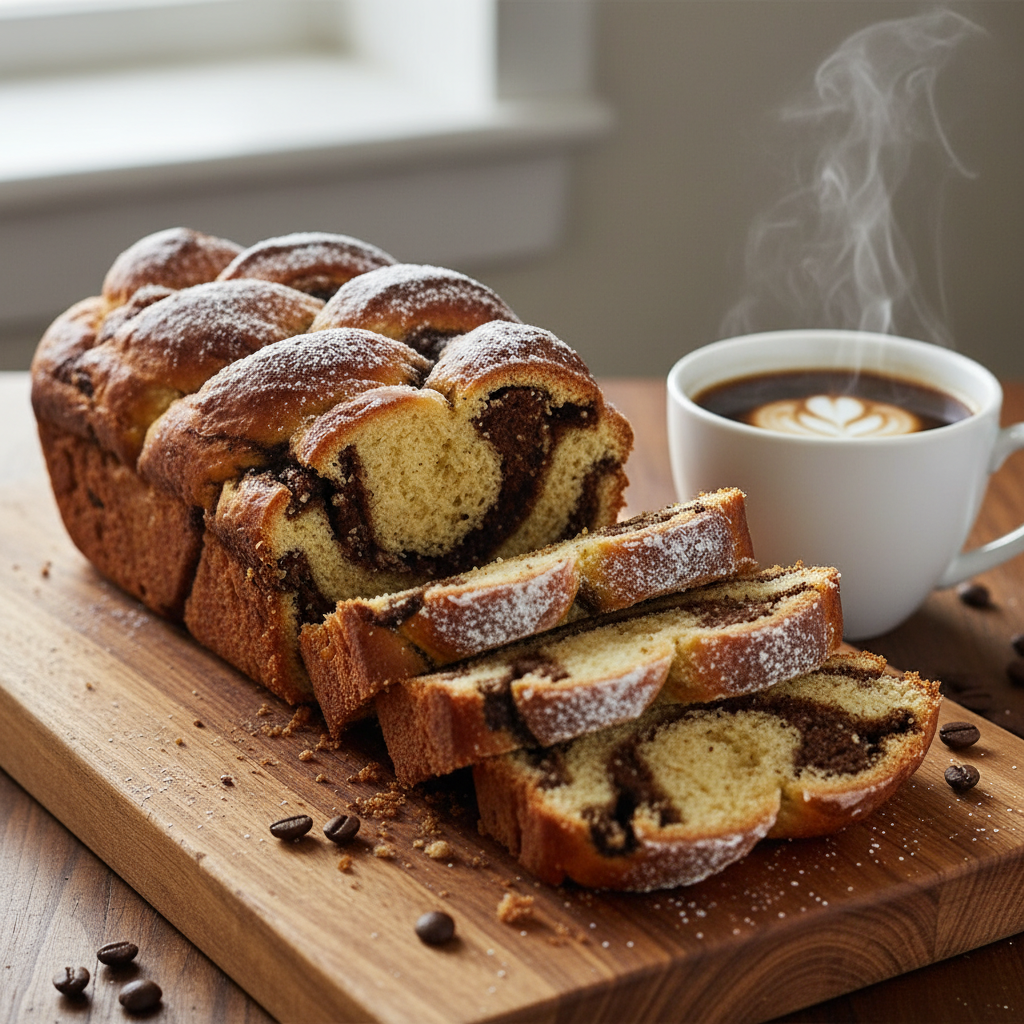
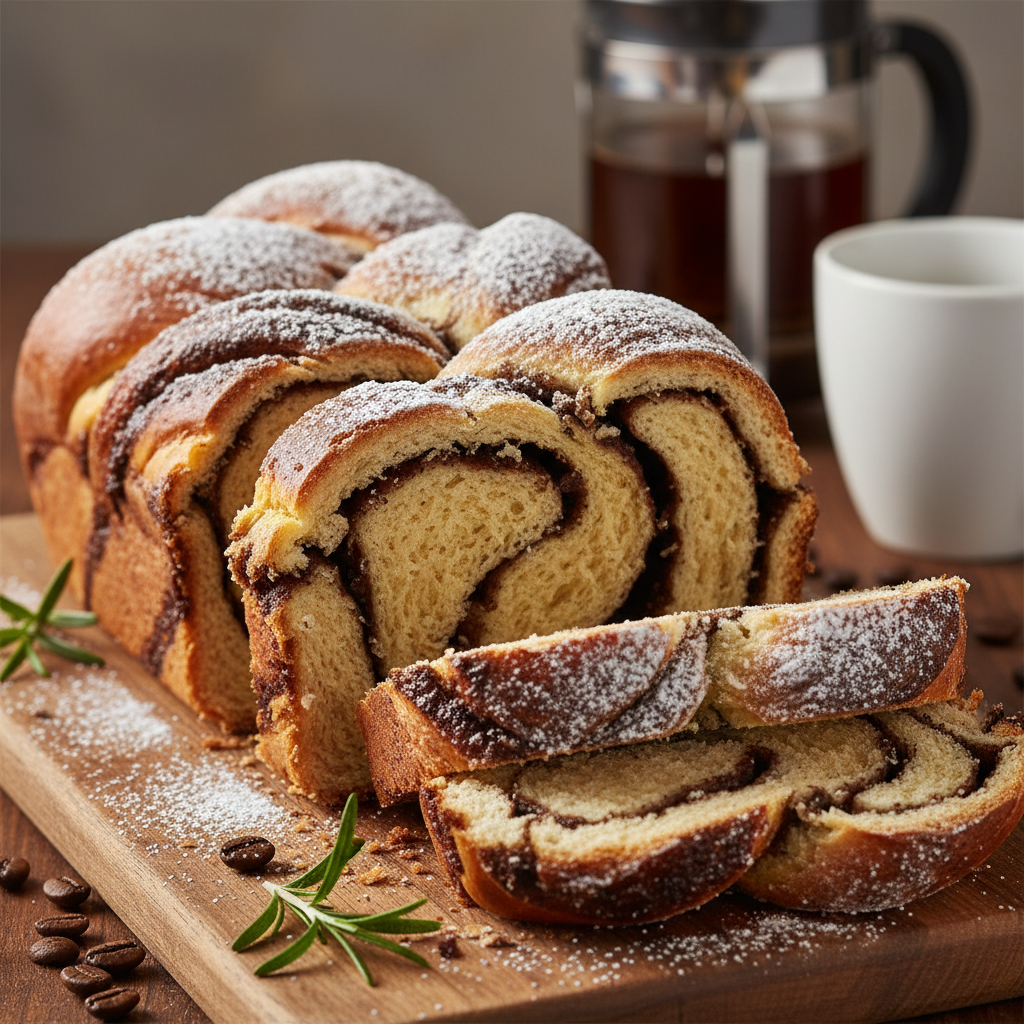
Poszukujesz pomysłu na wyjątkowe i aromatyczne ciasto, które zachwyci wszystkich domowników? Wilgotna babka kawowa to strzał w dziesiątkę! Ten niezwykle puszysty wypiek doskonale sprawdzi się nie tylko na wielkanocnym stole, ale również jako słodki dodatek do popołudniowej herbaty lub weekendowej kawy. Jej charakterystyczny, głęboki smak to zasługa starannie dobranych proporcji oraz kilku nieoczywistych dodatków. Połączenie czekoladowego budyniu, mielonej kawy i szczypty kardamonu sprawia, że ta babka kawowa znika z talerzy w mgnieniu oka. Przepis jest bardzo prosty, a ciasto wychodzi za każdym razem.
Składniki
Do przygotowania tego aromatycznego wypieku w formie o średnicy 23 cm będziesz potrzebować następujących produktów:
- 240 g mąki pszennej tortowej
- 150 g drobnego cukru do wypieków
- 4 duże jajka (najlepiej w temperaturze pokojowej)
- 150 ml oleju roślinnego o neutralnym smaku (np. rzepakowego)
- 100 ml mleka (możesz użyć tradycyjnego krowiego lub ulubionego napoju roślinnego)
- 1 opakowanie (około 40 g) budyniu czekoladowego bez dodatku cukru
- 10 g dobrej jakości mielonej kawy
- 1 płaska łyżeczka proszku do pieczenia
- 1 płaska łyżeczka sody oczyszczonej
- 1/3 łyżeczki mielonego kardamonu
- 1/3 łyżeczki drobnej soli
Składniki na polewę czekoladową:
- 100 g gorzkiej czekolady
- 1 łyżka miękkiego masła lub oleju roślinnego
Instrukcje
- Przygotowanie formy i piekarnika: Formę na babkę (o średnicy ok. 23 cm) dokładnie natłuść masłem i oprósz bułką tartą lub mąką. Piekarnik rozgrzej do temperatury 175°C w opcji grzania góra-dół.
- Łączenie suchych składników: Do dużej miski przesiej mąkę pszenną, proszek budyniowy, proszek do pieczenia oraz sodę oczyszczoną. Następnie dodaj mieloną kawę, sól i kardamon. Całość dokładnie wymieszaj przy pomocy trzepaczki.
- Ubijanie jajek: W osobnej, większej misce umieść jajka i wsyp drobny cukier. Ubijaj mikserem na najwyższych obrotach przez około 5-7 minut, aż powstanie jasna, puszysta i gęsta masa.
- Dodawanie mokrych składników: Zmniejsz obroty miksera na najniższe. Do ubitej masy jajecznej wlewaj cienką stróżką olej roślinny, a następnie dodaj mleko. Miksuj tylko do momentu połączenia się składników.
- Łączenie mas: Do mokrych składników wsyp przygotowaną wcześniej suchą mieszankę. Używając szpatułki lub drewnianej łyżki, delikatnie wmieszaj suche składniki. Rób to powoli, aby masa nie opadła.
- Pieczenie: Przelej ciasto do przygotowanej formy, wyrównaj wierzch. Wstaw do nagrzanego piekarnika i piecz przez około 40 minut. Przed wyciągnięciem ciasta sprawdź jego gotowość za pomocą drewnianego patyczka – powinien być całkowicie suchy.
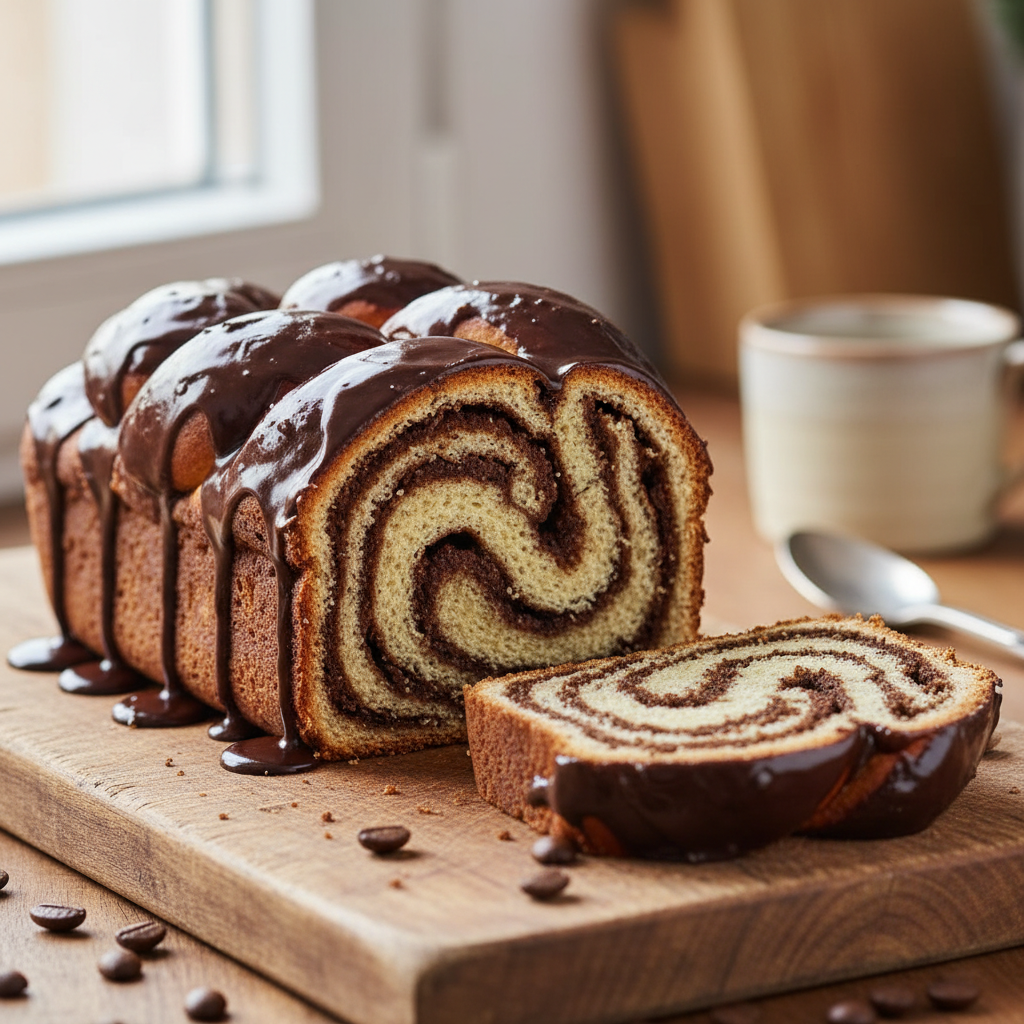
- Studzenie i dekoracja: Po upieczeniu wyjmij formę z piekarnika i odstaw na 15 minut. Następnie ostrożnie wyłóż ciasto na kratkę do całkowitego wystudzenia. W kąpieli wodnej rozpuść gorzką czekoladę z dodatkiem masła i polej nią ostudzoną babkę.
Wskazówki
Kluczem do sukcesu przy pieczeniu tego ciasta jest temperatura składników – upewnij się, że jajka i mleko zostały wyciągnięte z lodówki co najmniej dwie godziny wcześniej. Pod żadnym pozorem nie pomijaj soli ani kardamonu w przepisie. Sól rewelacyjnie podbija czekoladowe nuty z budyniu, a kardamon nadaje ciastu niepowtarzalny, lekko korzenny charakter, który świetnie komponuje się z kawą. Jeśli nie masz w domu mielonej kawy, możesz użyć bardzo drobno zmielonej kawy rozpuszczalnej (typu espresso).
Przechowywanie
Babka kawowa długo zachowuje swoją świeżość i niezwykłą wilgotność, jeśli odpowiednio ją zabezpieczysz. Po całkowitym wystudzeniu i zastygnięciu polewy, ciasto najlepiej owinąć luźno w papier śniadaniowy. Następnie włóż je do szczelnej torby foliowej, dużego worka strunowego lub zamykanego pojemnika na ciasto. Przechowuj wypiek w temperaturze pokojowej, w zacienionym miejscu (np. w szafce kuchennej). W ten sposób babka pozostanie pyszna i miękka przez 3 do 4 dni.
Podsumowanie
Pyszna babka kawowa to doskonały dowód na to, że wypieki z dodatkiem kawy i czekolady to zawsze sprawdzone rozwiązanie. Przygotowanie ciasta zajmuje zaledwie kilkanaście minut aktywnej pracy, a efekt końcowy przypomina wypieki z najlepszych cukierni. Wilgotne wnętrze, bogaty aromat kawy z nutą kardamonu i błyszcząca polewa z gorzkiej czekolady sprawią, że ten przepis z pewnością dołączy do twojego repertuaru ulubionych deserów.
FAQ
Czy z tego ciasta można upiec babeczki?
Oczywiście! Ciasto na babkę świetnie sprawdzi się również w mniejszych formach, na przykład na muffinki. Pamiętaj jednak o dwóch zasadach: nakładaj masę maksymalnie do 3/4 wysokości papilotek (ciasto mocno rośnie) oraz skróć czas pieczenia. Babeczki piecz w temperaturze 175°C przez około 20-25 minut, do tzw. suchego patyczka.
Jak ustawić temperaturę pieczenia przy użyciu termoobiegu?
Jeśli wolisz korzystać z funkcji termoobiegu, standardowo należy obniżyć temperaturę podaną w przepisie o 15-20°C. W tym przypadku ustaw piekarnik na około 155-160°C. Czas pieczenia pozostaje zazwyczaj zbliżony do oryginalnego, ale warto monitorować ciasto pod koniec pieczenia.
Czym zastąpić budyń czekoladowy w proszku?
Jeśli nie masz pod ręką budyniu w proszku, możesz zastąpić go mieszanką 30 g mąki ziemniaczanej oraz 10 g ciemnego, gorzkiego kakao. Uzyskasz dzięki temu bardzo zbliżoną strukturę wypieku, a babka kawowa zachowa swoją idealną gęstość i wilgotność.
Czy muszę używać kawy kofeinowej?
Nie, bez problemu możesz użyć mielonej kawy bezkofeinowej lub dobrej jakości kawy zbożowej (np. Inki), zwłaszcza jeśli planujesz podawać ciasto również dzieciom. Aromat nadal będzie wyraźnie wyczuwalny i pyszny.